
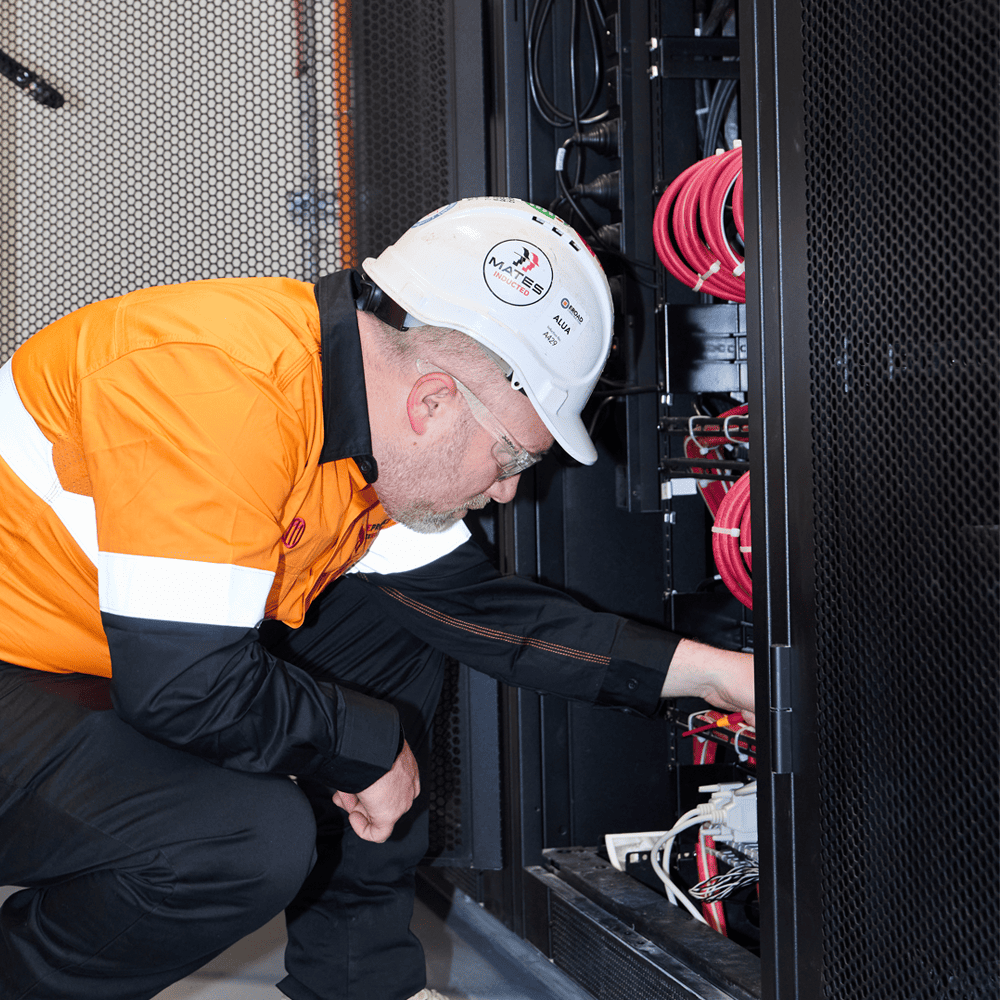
Commercial fire alarm systems often sit quietly in the background until an emergency or a major failure forces the issue. Facility managers tend to treat these networks as static assets. The reality on the ground shows a very different picture. Electronic components degrade over time, and regulatory requirements shift constantly.
Building owners must evaluate their existing infrastructure before minor faults escalate into systemic failures. And upgrading commercial fire alarm systems requires assessing current equipment conditions against modern compliance standards.
Identifying Component Obsolescence
Component obsolescence forces upgrades when manufacturers stop making replacement parts and cease firmware support for an existing fire panel.
- Main control boards become impossible to source after the standard ten to fifteen-year manufacturing lifecycle ends.
- Firmware updates stop being released, leaving the system incompatible with newer field diagnostic tools.
- Peripheral devices like smoke sensors and thermal detectors degrade physically and fail routine sensitivity tests.
Sourcing second-hand parts off the internet isn’t a viable maintenance plan for life safety equipment. Many facility managers try to stretch the lifespan of a dying panel to save capital expenditure. There’s no point throwing money at a system that can’t be reliably serviced. Old hardware eventually hits a wall.
Detectors installed in harsh environments cop a hammering from dust, humidity, and temperature fluctuations. These environmental factors slowly destroy the internal electronics of the detection devices. A technician will start failing these units during routine AS1851 inspections. Once the failure rate climbs, a full system replacement is usually the most economical path forward.
Adapting to Floor Plan Alterations
Upgrades are mandatory when renovations or changes in building use alter the fire risk profile and invalidate the original system design.
- Adding new partition walls blocks the airflow to existing smoke detectors and requires additional sensor loops.
- Changing a standard office space into a high-density warehouse changes the required building classification and detection type.
- Upgrading the HVAC system usually necessitates new duct sampling units and integration with the fire panel.
Fire detection networks are designed for a specific spatial layout under AS1670.1 installation standards. When tenants move in and tear down walls, the original design gets compromised. A system that passed certification five years ago might completely fail current compliance checks. It’s a common oversight in commercial leasing.
A building surveyor will demand an updated fire matrix if the classification of the space changes. The existing fire panel might lack the capacity to handle additional expansion loops. Retrofitting modern addressable hardware gives the system a proper crack at managing these complex fire matrices. Upgrading ensures the property remains legally tenable.
Managing Frequent False Alarms
Persistent false alarms signal failing optical chambers or degrading cable insulation that require an immediate system upgrade to resolve.
- Detectors older than ten years become overly sensitive and trigger false alarms from minor dust particles.
- Degrading cable insulation creates earth faults and erratic signal drops that confuse older conventional fire panels.
- State fire brigades impose heavy financial penalties for repeated false callouts, making older systems an expensive liability.
An unreliable detection system breeds complacency among building occupants. If the alarm rings constantly for no reason, staff will eventually stop evacuating. This creates an unacceptable life safety risk. Technicians can clean optical chambers, but eventually, the internal mesh breaks down completely.
Finding intermittent faults on a twenty-year-old network eats up massive amounts of labour time. Modern systems provide exact diagnostic codes that tell the technician exactly where the loop is broken. Fault finding on legacy equipment takes days instead of minutes. Upgrading saves thousands of dollars in diagnostic labour over the building’s lifespan.
Transitioning from Conventional to Addressable Technology
Replacing conventional zoned systems with addressable technology delivers exact device-level reporting that significantly reduces emergency response times.
Older conventional systems only indicate fire events by broad geographic zones. Emergency responders have to search that entire zone to find the actual fire. This delay allows small fires to escalate rapidly into major destructive events. It’s an outdated approach to property protection.
Addressable systems report the exact room and device number on the front panel display. Firefighters can walk straight to the source of the issue. The installation of addressable loops also requires less cabling than running individual conventional home runs. This makes the physical retrofit much faster for the installation crew.
Modern panels also integrate easily with emergency warning and intercommunication systems. They can trigger complex evacuation sequences tailored to specific floors. Most older conventional panels just trigger a generic building-wide alarm bell. The trade consensus is that conventional panels belong in a museum.
Handling Legal and Compliance Risks
Failing to upgrade a non-compliant fire system exposes property owners to severe legal liability and potential nullification of building insurance policies.
Routine servicing under AS1851 produces detailed logbooks outlining the health of the fire network. When technicians log critical defects, the building owner has a legal obligation to rectify them promptly. Ignoring these defects places the legal burden entirely on the facility management team. A severe fire event under these conditions leads to disastrous legal outcomes.
Insurance assessors scrutinise fire system maintenance records after any major incident. They can deny claims if commercial fire alarm systems operate past their functional lifespan with known defects. Upgrading acts as a primary risk management tool for the property. It protects both the physical asset and the financial viability of the business.
Integrating with Building Management Networks
Upgrading fire detection hardware allows direct integration with modern building management networks to automate secondary emergency responses.
Legacy panels operate as isolated islands of information. They detect a fire and ring a bell, but they can’t talk to other intelligent systems. Modern infrastructure demands a higher level of automated coordination during a crisis. Fire panels now act as the central nervous system for emergency response.
A modern upgraded panel can automatically recall all lifts to the ground floor. It can also command the mechanical ventilation system to exhaust smoke from specific stairwells. Physical access control doors can drop their locks automatically to allow safe exit. This level of automation requires high-level data interfaces that old hardware simply doesn’t support.
Frequently Asked Questions
How Long Do Commercial Fire Alarm Systems Last?
Most manufacturers support their fire panels and detection devices for around ten to fifteen years. Beyond this point, sourcing replacement parts becomes difficult and firmware updates cease entirely. Environmental factors like dust and humidity can shorten the lifespan of individual detectors significantly. Facility managers should plan for full replacements within this fifteen-year window.
Can Old Sensors Work with a New Fire Panel?
Reusing old detectors on a new panel is rarely possible due to proprietary communication protocols. Modern addressable panels require compatible devices to transmit specific diagnostic data back to the central unit. Attempting to mix old hardware with new panels often voids manufacturer warranties immediately. Installers always recommend pulling a completely new loop of compatible field devices.
What Happens if a Fire System Fails an Annual Test?
The inspecting technician will issue a formal defect notice detailing specific failures against current safety standards. Building owners are legally required to rectify these faults within a strictly mandated timeframe. Failing to address these defects results in heavy fines from local authorities. It also risks the immediate invalidation of the property’s insurance policy.
Final Thoughts
Upgrading commercial fire alarm systems isn’t a project that facility managers should delay indefinitely. The steady degradation of electronic components ensures that every system has a definitive expiration date. Waiting for spare parts to become entirely unavailable puts the building’s compliance status at risk. A catastrophic failure forces immediate action under highly unfavourable operational conditions.